Look who is ATOP THE LEADERBOARD of the local sports radio station bracket in Austin! Not to brag or anything lol. RCJH

 Offline
Look who is ATOP THE LEADERBOARD of the local sports radio station bracket in Austin! Not to brag or anything lol. RCJH
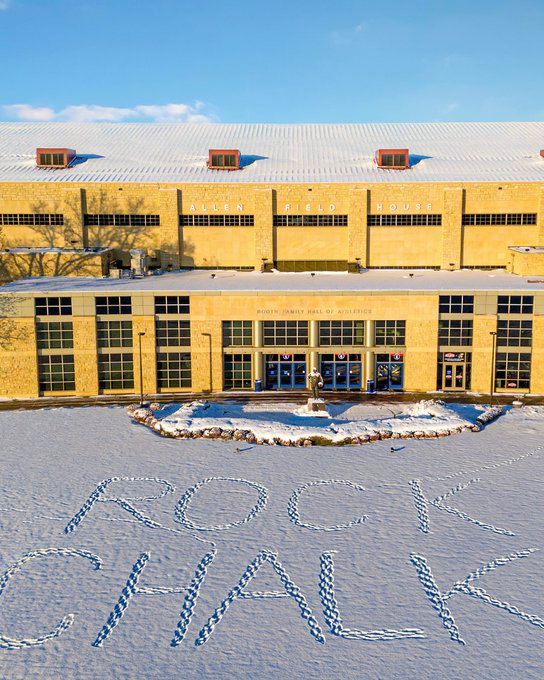
I didn't know that DP wasn't playing until right before tip off and honestly thought we were just going to be over powered, but for the final 6+ minutes I was standing in front of my tv and seeing how wrong I had been. I thought our HEART, more than anything, was going to be the deciding factor and boy did they show it. What a memorable game, intense feeling, so much pride and giddy happiness all rolled up in one! So proud of the team. I haven't see Coach that happy since Muck Fizzou! We deserve all of these emotions considering what we saw the last few years. The chip is back @drgnslayr !!! #RockChalkJayhawk
He's one of my favorites who made his mark on the court! I forgot to add that I grew up in Bloomington, MN, his hometown too. That's why he was a favorite of mine.
He’s still ballin! Good luck to Jayhawk great @JeffWithey in the @IBLindonesia Finals starting tomorrow! 
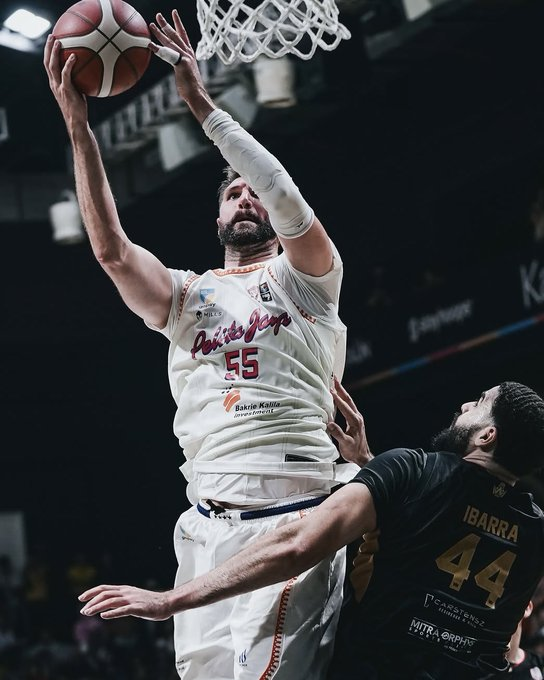
Now I know why our band was wearing his Jersey!!
KU's Samis Calderon is not here for the first round game. His dad passed away and he traveled back to be with his family. Dad's name was Luis Calderon and he lived in El Paso.
My shirt today  and my #Jayhawks quilt.

Did you ever ponder how one miniscule aspect of life has such a great impact on our planet? I have and still do.Thought of what Jaybate would have added to the conversation. I love, love, love Sir David Attenborough and what he has done for our planet...making us aware that all life is connected and we have to care for it. I used to watch a PBS show with Marty Stouffer called Wild America back in the early 80's as well as Marlin Perkins and Jim Fowler on Wild Kingdom. Mike situated the string lines for our house 3 different ways in order to sit the house between the trees so that we only had to take one out when we built the house. He had a wide knowledge for outdoor living and so we camped out a lot here and made our plans. We bought our first 2 lots on a contract for deed basis and paid $75 a month for each lot beginning in 1981 and saved our money while living in a dump $150 duplex in Central Austin. We started the house in Sept. of 84 and moved in 4 months and 2 days later, on our wedding anniversary. He put up the 40' x 60' metal building all by himself (with the help of a crane) in 2009. All the other outbuildings he would draw out, we'd go over it, and then one day I would come home from work and it would be done!
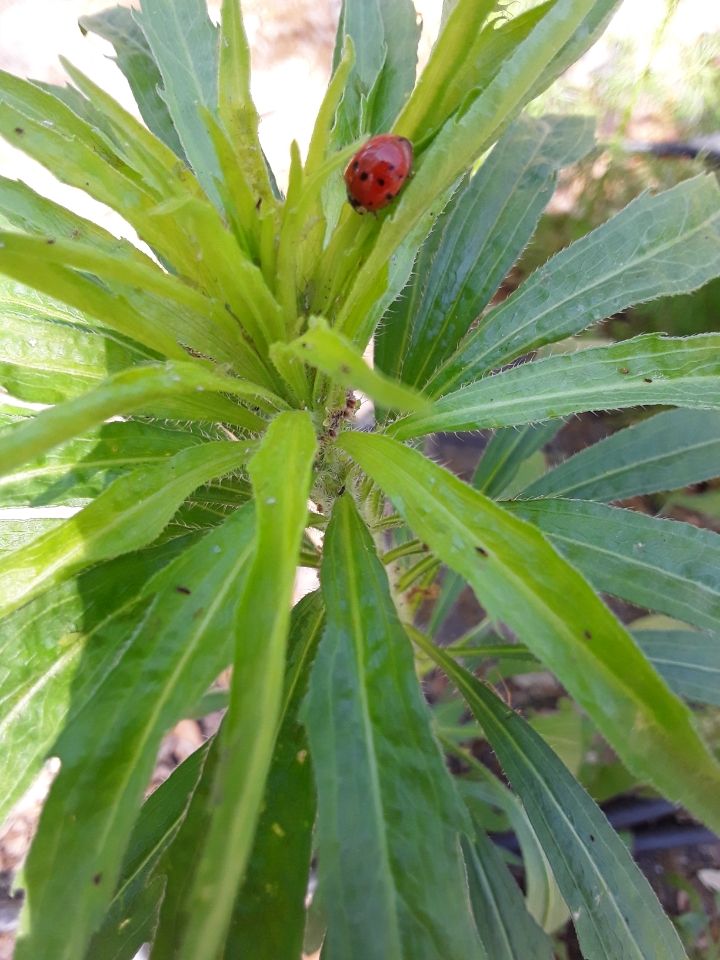
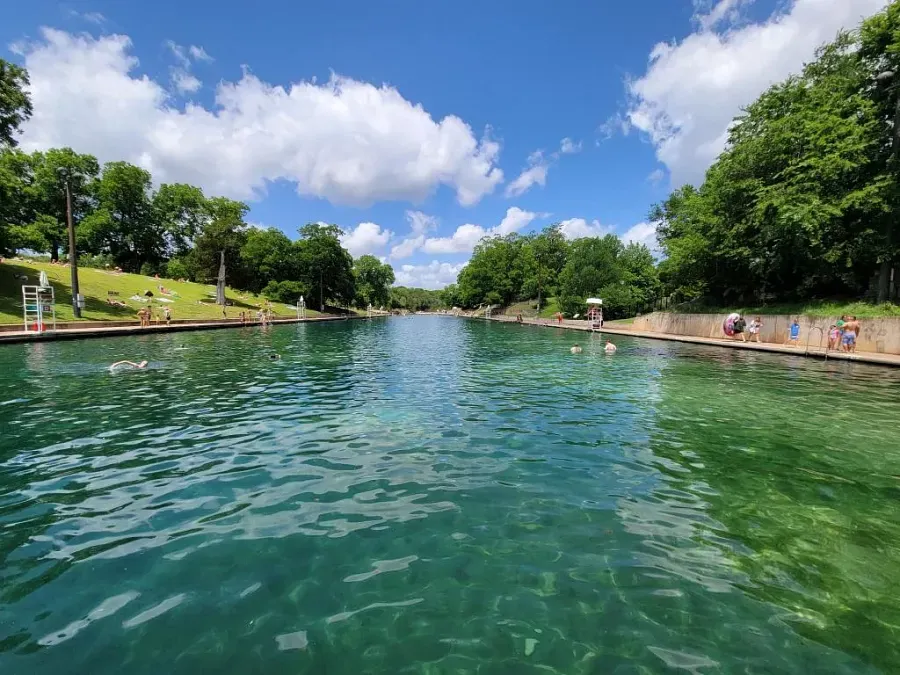
HAPPY EARTH DAY!!!!! I was a sophomore in high school in Leavenworth in 1970 when the first Earth Day was celebrated. I remember Robert Redford being a big part of this endeavor to wake people up about the connection we all have to making sure our planet is happy, healthy and keeping the environment rather than paving everything with asphalt and concrete. Robert used to vacation in Austin as a young boy and was in awe of the Barton Springs pool, which is fed by a natural spring. He narrated a documentary on it and the activists that were demanding construction be limited at the Spring's beginning started a years long fight by the Citizens of Austin to protest the development upstream by a "less than caring individual", Jim Bob Moffat, who with all his money thought he could rape the land to gain a profit. At a City Hall hearing that went on for over 24 hours, the City of Austin denied his development permit and the Springs were saved. From time to time they have to close it due to runoff from the other developments that were allowed upstream and it is a never ending fight to keep the Springs healthy. It's a constant 68 degrees and people swim in it year round, even in winter, and it is a shock to your system when you jump in on a 100 degree day! There is a salamander that is on the threatened species list and a cave cricket that was also found and were able to declare it a federally protected habitat. One of our clients owned a 2,700 acre ranch where the headwaters for Barton Springs began and I got to help the ranch owners protect their land with conservation easements with the City of Austin and The Nature Conservancy, whereby their land will never be sold for commercial development and is monitored yearly for control burns, hunting, grazing and wildflower restoration. Each year this family had an open house and Mike and I went to several, which included hiking to the beginning of the Springs and seeing the flora and fauna. Just breathtaking. We all can do our part to keep what we have before it is too late. That's why I plant so many polinator flowers. My wild sunflowers are a haven for the migrating Monarchs and this year I didn't even pull up the dandelions because before all the spring flowers have bloomed, the dandelion is one of the few plants out there when the bees need it the most.
@approxinfinity Glad to hear!!!! I have been battling a tough cold and just now feel better. Missed all of you.
MERRY CHRISTMAS KUBUCKETS!

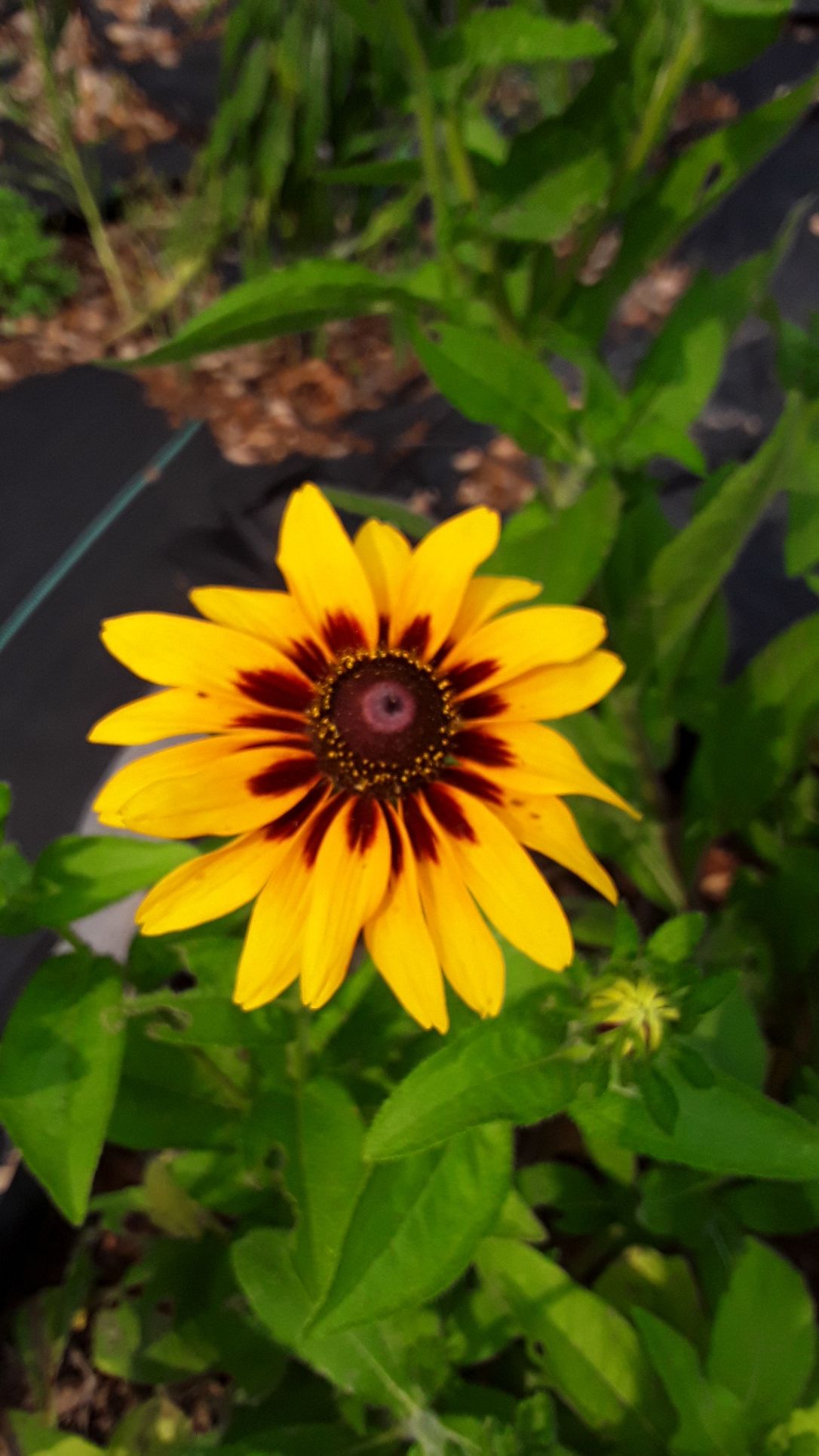
Today's photo is a varigated form of the Helianthus annuus "Ring of Fire" (Common Sunflower). It's a striking sunflower variety, with large flowers, 5 inches across, boasting a unique pattern of fiery red and gold petals surrounding a dark center. Ideal for adding bold contrast to gardens, it reaches maturity in about 70-80 days and is a magnet for pollinators. They grow in a raised bed in the corner of my garden.
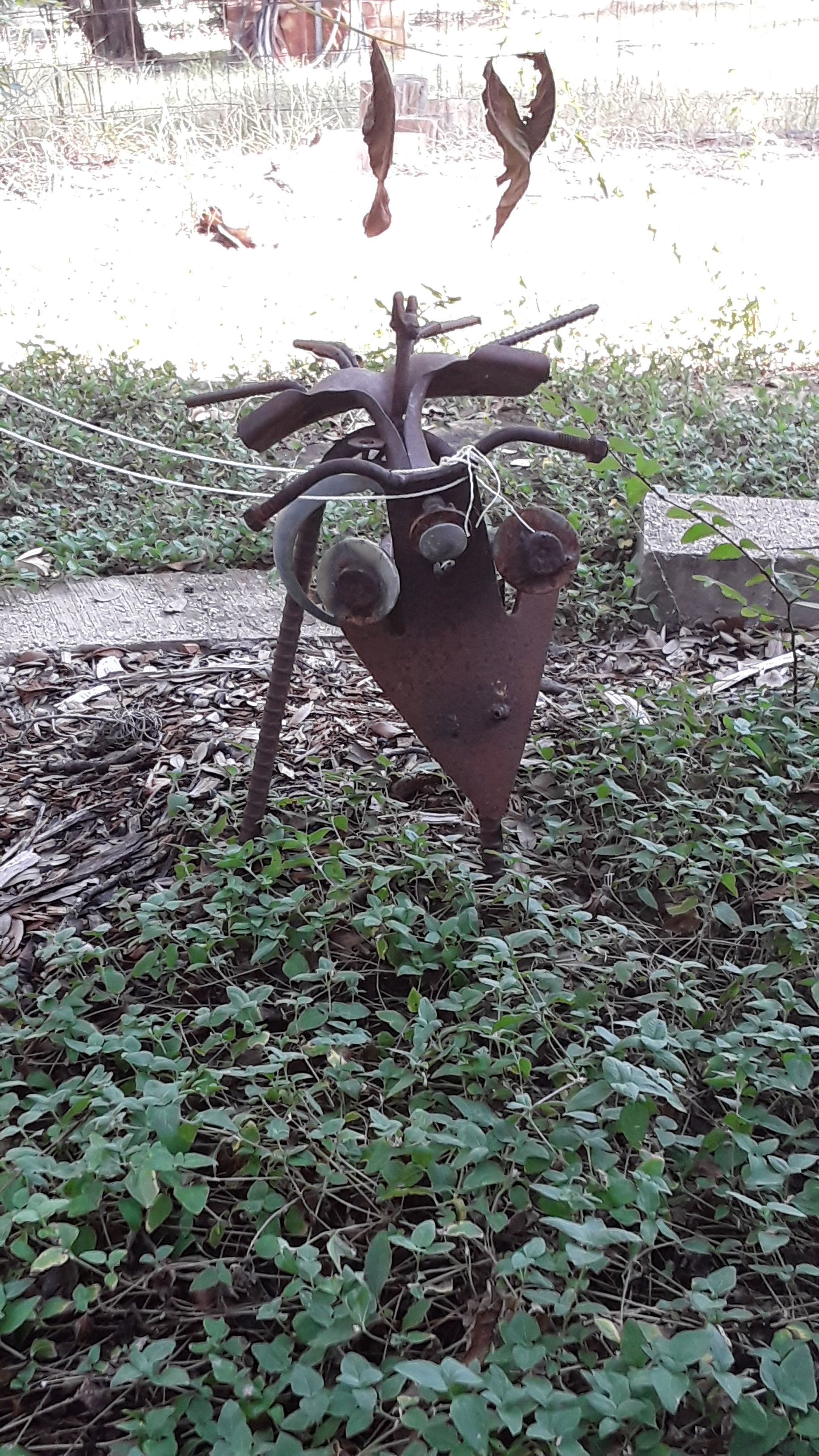
This was Mike's first attempt at making a #Jayhawk. It's head moves up and down. Sits right there by my swing when watching birds and hummingbirds.
@bskeet I watched a Nova called Pluto and Beyond and gained a new respect for the planet because even though it is now a dwarf planet, it actually grew to be King of the Kuiper Belt.
JOHN SPENCER: When we launched the New Horizon spacecraft back in 2006, we knew we wanted to fly to an object beyond Pluto, but we didn’t have a particular object that we knew we could reach with our spacecraft. So we started doing deep searches of the sky beyond Pluto.
MARC BUIE: One is, you have two circular objects that are close to each other, but they are orbiting each other, or it could be just some lumpy potato-shaped thing. And then the third is what we call a “contact binary,” two balls stuck together. And we think it could happen for Kuiper Belt objects. We don’t know, we’ve never seen one of these things before.
NARRATOR: But when New Horizons finally brings Ultima Thule into focus, the results could be profound. This elusive object could revolutionize our understanding of how the planets in our solar system formed.
ALAN STERN: Ten, nine, eight,...
NARRATOR: January 1st, 2019, 12:33 a.m.:
ALAN STERN: …one. Go New Horizons!
NARRATOR: As the world rings in the new year, the New Horizons team celebrates the moment of the spacecraft’s closest approach to Ultima Thule. But it will be hours before anyone knows if the flyby is successful.
JOEL PARKER: Ultima Thule is so far away that it takes six hours to send a signal from the spacecraft to Earth.
ALICE BOWMAN: We have a healthy spacecraft. We’ve just accomplished the most distant flyby of our solar system.
CROWD CHEERING
NARRATOR: That night, the first close up image of this distant object comes in.
JOHN SPENCER: Well, what we saw today blows out of the water anything we’ve seen. The first image was two or three pixels across. Yesterday, you could see, kind of, two lobes. And today’s image, we see it for what it really is: basically, two spheres stuck together, like this really is two things that formed as two different objects.
THIS IS WHAT THEY SAW!

@wonderofscience
Curiosity Rover spotted on the surface of Mars by the orbiting MRO spacecraft.
 : NASA/JPL/UoA
https://x.com/wonderofscience/status/2084287182911533426/video/1
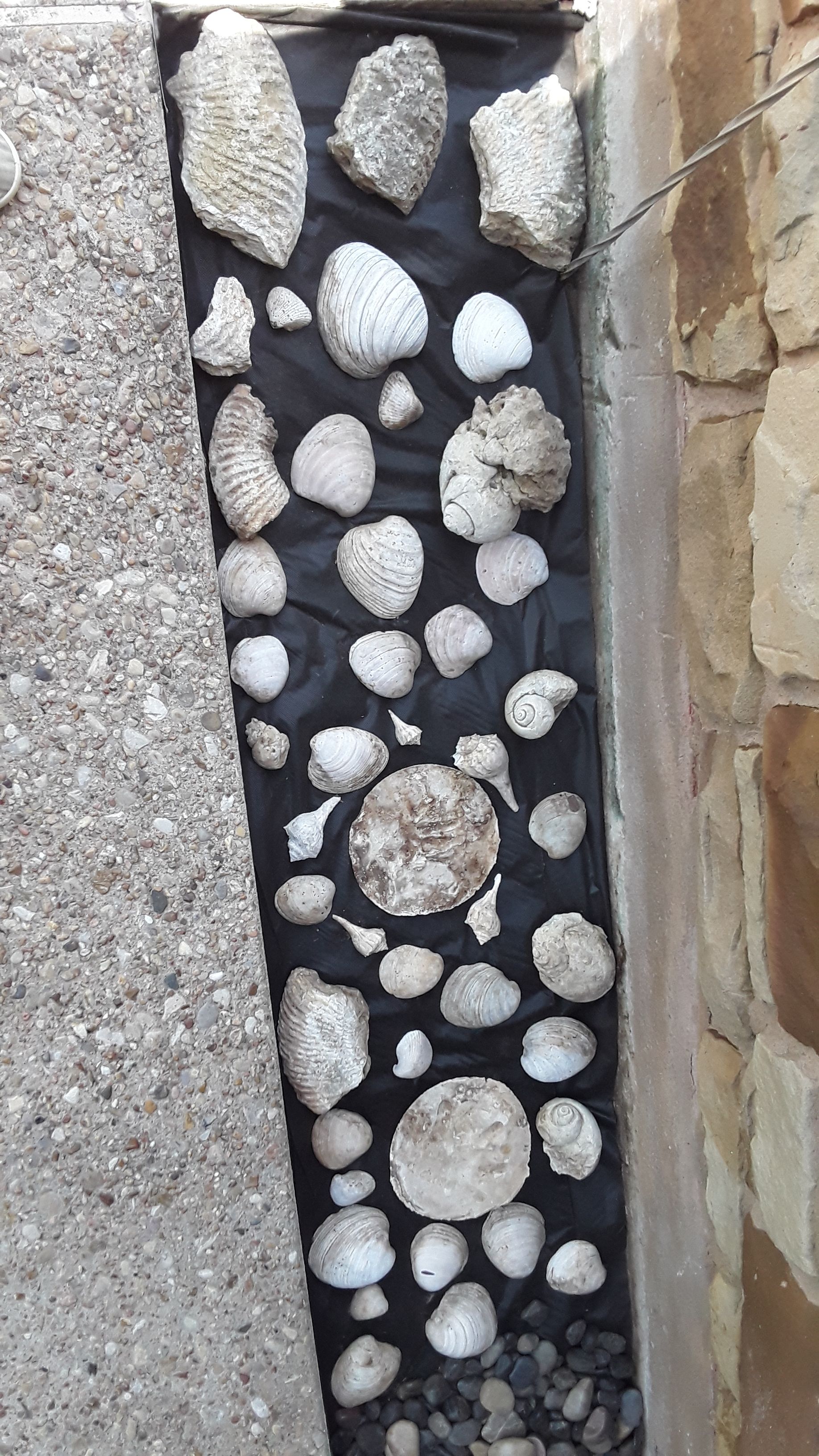
I spent the morning cleaning up my fossils and shells from the coast.
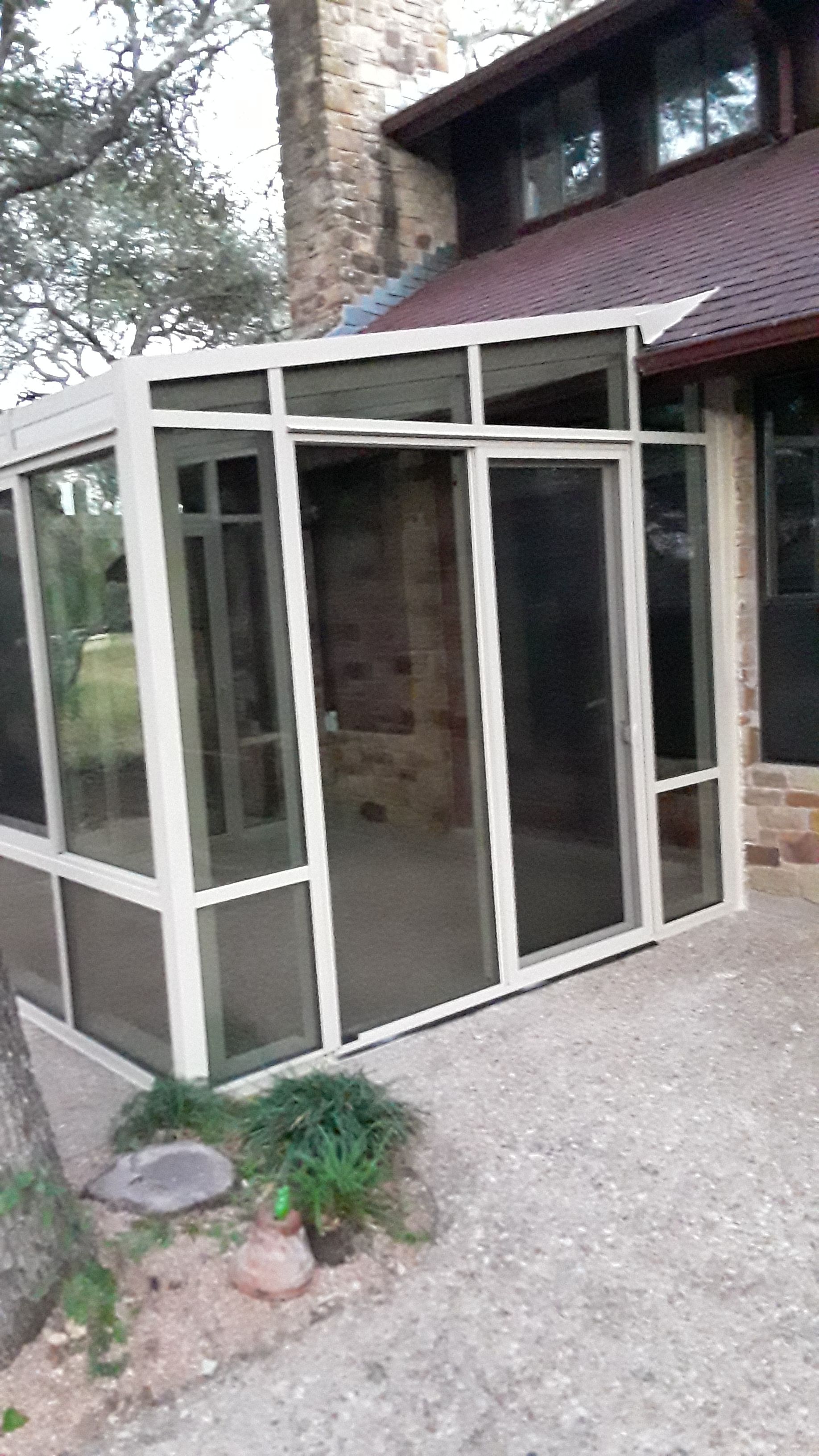
@approxinfinity Too tinted. Birds would be so available too. They flutter around the massive sabal palm that sits right behind it, in and out of the firewood stacks, squirrels chase each other around the base of the tree, can see the flocks of birds in the garden, but mainly it was about getting away from the bugs. We can see the moon through the ceiling but not much else. We go out on my upper deck to gaze at the moon and stars. Perseid meteors coming up can be seen every which way. Mike and I used to lay down and watch them.
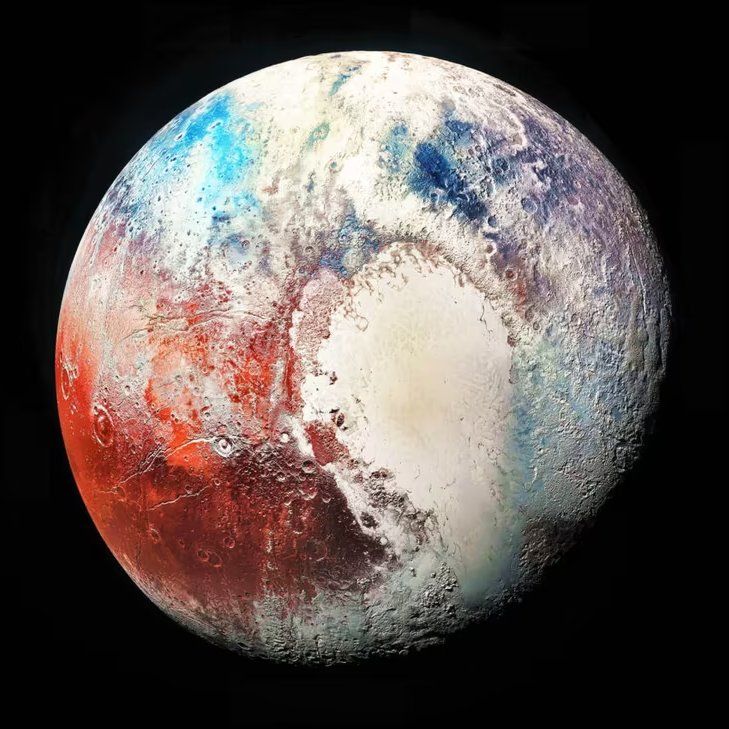
Which brings me to today's photo. I was devastated when they reclassified Pluto 20 years ago. After all, Clyde Tombaugh, a JAYHAWK, discovered it. I have this image of it from Cassini that is my background on my laptop and another older one as my background on my 2012 Nook that still works! Not many undergraduates enter the University of Kansas having already achieved worldwide fame. And, to date, only one has enrolled at KU after discovering a planet. His name was Clyde Tombaugh, a 24-year-old amateur astronomer from Burdett, Kansas, who positively identified Pluto as the ninth planet in our solar system on February 18, 1930. The finding was the culmination of many years of scanning the night skies by numerous astronomers searching for what had been known as “Planet X,” an effort analogous to looking for a golf ball located 33 miles away. Here's a link to a great article about him: https://union.ku.edu/planetary-man
Here's a picture of the solarium I had added on to the back of the house. Keeps me out of the bugs and can watch wildlife without them seeing me.
I hadn't seen anyone mention that jwil signed with the #Hawks!

Jamari posted that a woman on their staff had a broken nose and had to go to hospital